Cloudflare wants a Git platform for AI agents. The hard part is review
Cloudflare's Artifacts beta can give each agent its own Git repository. The practical test is whether teams can compare, verify, and safely combine their code.
Liking saves a browser cookie. How it works
Picture three coding agents starting from the same application. One changes the checkout screen, another updates the payment API, and a third writes tests against yesterday's behaviour. They may each produce a tidy commit. The difficult part begins when someone has to decide whether those commits describe the same system.
Cloudflare's invitation to build a new Git platform for agents puts this coordination problem in the open. The company has put its Artifacts service into open beta, offering versioned repositories that speak Git and can be created or forked in software. Cloudflare is asking developers to build the coordination and review layer above those repositories. The announcement was also discussed on Hacker News.
A separate workspace is a useful beginning
If several agents edit one working directory, they can overwrite each other's files or pick up changes they were never meant to see. A repository or branch for each task gives every attempt a known starting point and a change set that can be inspected. Cloudflare says its Workers binding for Artifacts can create and fork repositories, inspect files and commits, and issue tokens scoped to a repository. The announcement also describes push events that software can use to start a review, along with preview deployments for branches connected to Workers.
An agent can receive a task, work in isolation, and return a commit instead of leaving an unexplained collection of edits on a shared machine. A reviewer can then see what changed, test the result, and reject it without having to reconstruct the agent's working environment. Teams already use this pattern with human contributors, so they can start with familiar review habits while working out what agent generated changes require.
Artifacts is in beta and, according to Cloudflare's announcement, currently requires a Workers Paid plan. The company is inviting others to build a platform designed for agents on top of it. There is no finished GitHub replacement to evaluate yet; what teams can examine today is the underlying repository service and the workflows they might build with it.
A clean merge can still be a bad release
Git can tell you that two changes touch different lines. It cannot tell you that the new checkout button assumes a payment response the updated API no longer returns. Tests may catch that mismatch, but only if they exercise the real boundary between the two changes. A review process also needs to know why each agent changed the code, which assumptions it made, and who is accountable for releasing the combined result.
This becomes sharper as the number of attempts grows. If ten agents can create ten plausible solutions in an hour, the scarce resource may become a person's attention rather than the ability to write code. Automatically merging every passing branch would turn a faster production process into a faster way to accumulate mistakes. A useful platform would help reviewers compare approaches, discard weak ones, and see the evidence for a change without drowning in transcripts.
There is a practical test for any team considering this kind of workflow. Give two agents separate tasks that touch one real product journey. Ask each to return a small change with its assumptions and a way to verify it. Then combine the changes in a preview environment and follow the journey as a user would. If the team cannot explain the combined behaviour or roll it back confidently, adding more agents is unlikely to help.
Cloudflare has made it easier to create places for agents to work. The harder work sits with the team that decides what reaches users: understanding how several changes interact, seeing enough evidence to trust them, and knowing how to undo a bad release. A new Git platform will earn its place if it makes those decisions clearer.
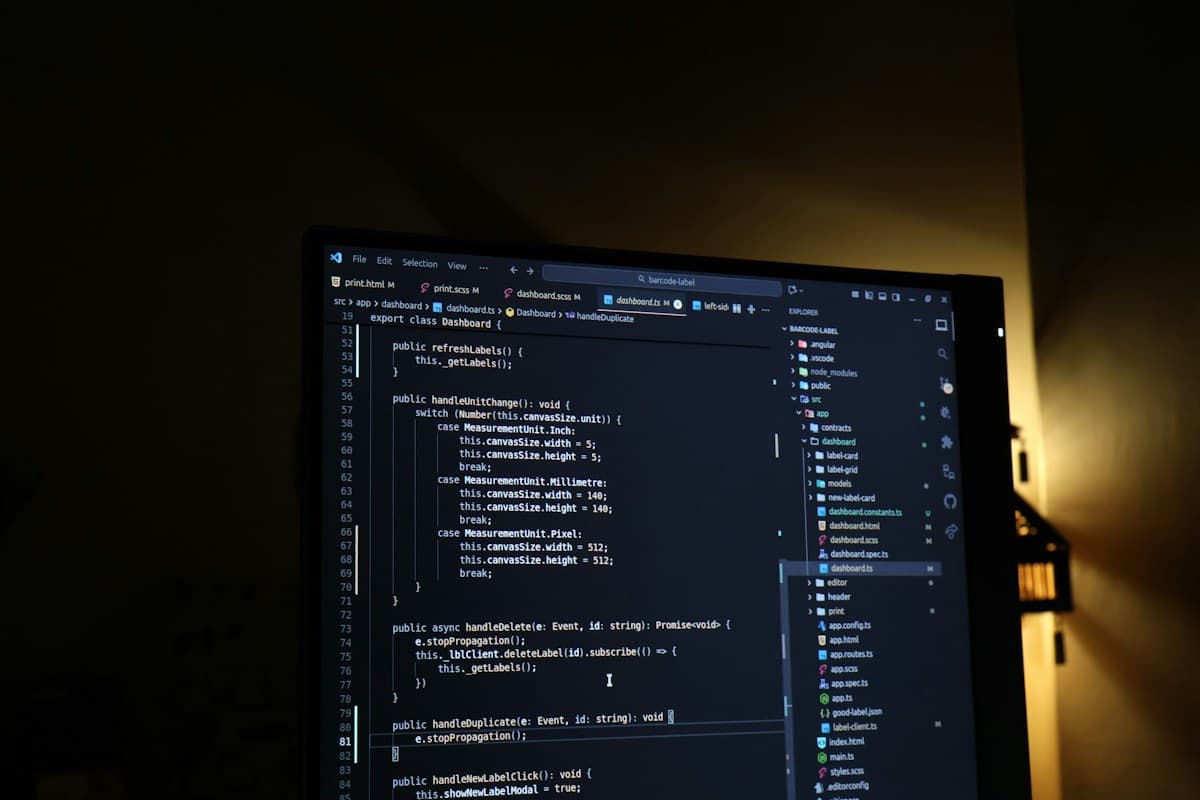
Cover photograph by Harshit Katiyar on Unsplash.
Original source: View the source