The Future of AI-Powered Robotics in Manufacturing
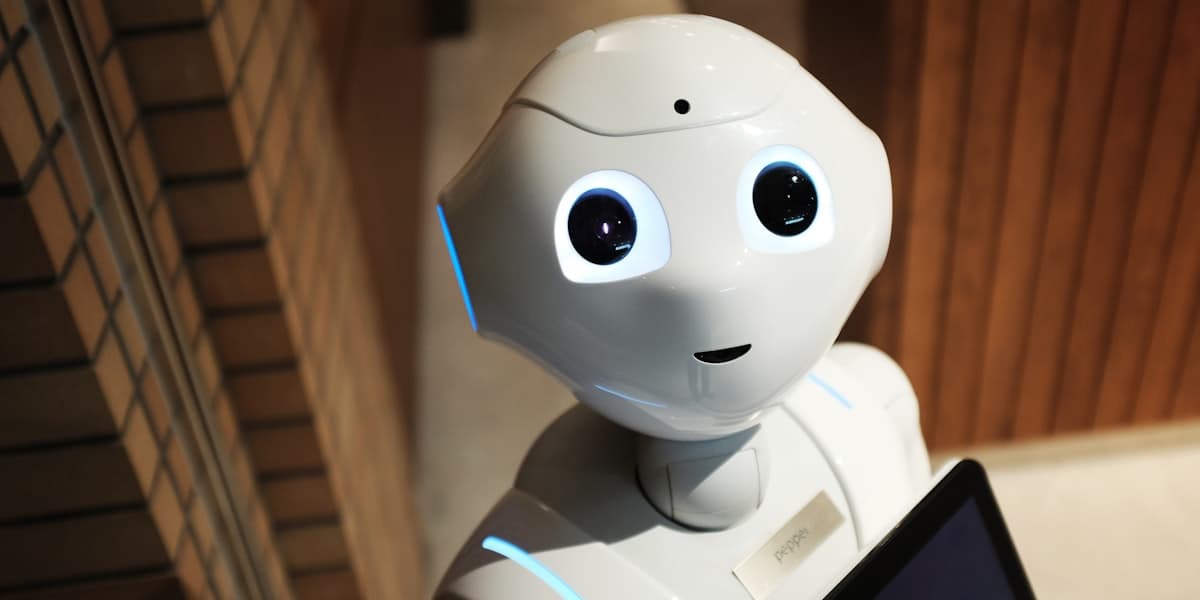
The manufacturing industry stands at the precipice of a revolutionary transformation. As artificial intelligence and robotics converge, we're witnessing unprecedented changes in how products are designed, produced, and delivered to market.
The Current State of Manufacturing
Traditional manufacturing processes, while reliable, often face challenges in adaptability, precision, and cost-effectiveness. The integration of AI-powered robotics addresses these limitations by introducing intelligent automation that can learn, adapt, and optimize production processes in real-time.
Key Benefits of AI-Powered Robotics
The advantages of implementing AI-driven robotic systems in manufacturing are numerous:
- Enhanced Precision: AI algorithms enable robots to perform tasks with microscopic accuracy, reducing defects and waste.
- Predictive Maintenance: Machine learning models can predict equipment failures before they occur, minimizing downtime.
- Adaptive Production: AI systems can adjust production parameters in real-time based on quality metrics and demand fluctuations.
- Quality Control: Computer vision systems powered by AI can detect defects that human inspectors might miss.
Real-World Applications
Leading manufacturers across various industries are already implementing AI-powered robotic solutions:
Automotive Industry: Companies like Tesla and BMW use AI-powered robots for precision welding, painting, and assembly operations. These systems can adjust their behavior based on real-time feedback, ensuring consistent quality across thousands of vehicles.
Electronics Manufacturing: In the production of smartphones and computers, AI-guided robots handle delicate components with unprecedented precision, reducing damage rates and improving yield.
Pharmaceutical Production: AI-powered systems ensure the precise formulation and packaging of medications, maintaining strict quality standards while increasing production speed.
Challenges and Considerations
While the benefits are substantial, implementing AI-powered robotics in manufacturing comes with challenges:
- Initial investment costs can be significant
- Worker retraining and adaptation to new technologies
- Cybersecurity concerns with connected systems
- Integration with existing manufacturing infrastructure
The Future Outlook
As we look toward the future, several trends are emerging in AI-powered manufacturing robotics:
Collaborative Robots (Cobots): These AI-powered robots work alongside human workers, combining human creativity and problem-solving with robotic precision and endurance.
Digital Twins: AI-powered digital replicas of manufacturing processes allow for simulation and optimization before implementing changes in the physical world.
Autonomous Factories: Fully automated production facilities that can operate with minimal human intervention, adjusting production based on demand and supply chain conditions.
Conclusion
The integration of artificial intelligence and robotics in manufacturing represents more than just technological advancement—it's a fundamental shift toward smarter, more efficient, and more sustainable production methods. Companies that embrace these technologies today will be better positioned to compete in tomorrow's market.
As we continue to develop and refine these systems, the potential for innovation seems limitless. The future of manufacturing is not just automated—it's intelligent.
Related Articles
Blockchain Beyond Cryptocurrency: Real-World Applications
Explore how blockchain technology is transforming industries beyond finance, from supply chain management to healthcare data security.

Advancing Space Exploration Through Engineering Innovation
Learn about the latest developments in space engineering that are making space exploration safer, more efficient, and increasingly accessible.